

Description
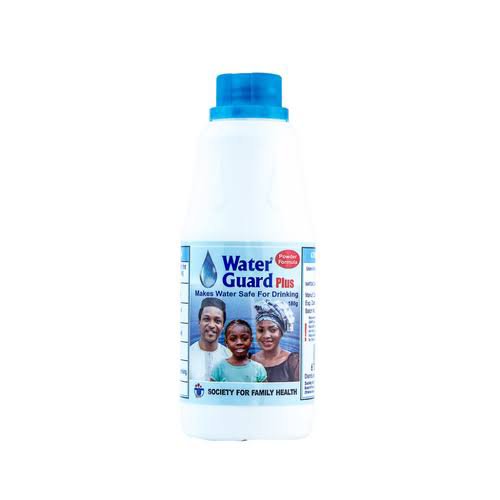
Water Guard Purification typically refers to water purification to ensure safe and clean drinking water by removing contaminants. and they are used in households, businesses, or industries to improve water quality.
Common Features of Water Guard Purification Systems
1. Filtration: Water Guard purification systems often use a combination of filters (e.g., activated carbon, sediment, or reverse osmosis filters) to remove impurities such as chlorine, sediments, heavy metals, bacteria, and other harmful substances.
2. UV Sterilization: Some Water Guard systems include UV (ultraviolet) sterilization to kill bacteria, viruses, and other microorganisms that may be present in the water.
3. Reverse Osmosis (RO): Reverse osmosis is a common method used in water purification systems, where water is forced through a semi-permeable membrane to remove dissolved solids, salts, and other contaminants.
4. Ion Exchange: This process is used to remove minerals such as calcium and magnesium that cause water hardness, helping to soften the water and prevent scale buildup in pipes and appliances.
5. Alkaline Filtration: Some systems may include a filtration stage that adds beneficial minerals back into the water, increasing the water’s pH to make it more alkaline.
Benefits of Using Water Guard Purification Systems
Improved Water Quality: Removes harmful substances like chlorine, bacteria, heavy metals, and pesticides, improving the taste and safety of the water.
Health Benefits: Ensures access to clean drinking water, reducing the risk of waterborne diseases and illnesses.
Convenience: Provides a continuous supply of purified water for households or businesses.
Considerations
Maintenance: Regular maintenance, such as changing filters or cleaning UV lamps, is required to ensure the system works effectively.
Water Quality: It’s important to assess the quality of the water in your area to determine which type of purification system will be most effective.


Reviews
There are no reviews yet.