
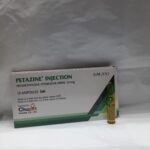
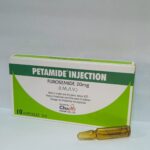

Description
Indication
Quinine injection is indicated for:
- Treatment of Severe Malaria: It is used to treat severe malaria caused by Plasmodium falciparum, especially when oral administration is not possible.
- Alternative to Injectable Artesunate: It serves as an alternative treatment when injectable artesunate is not available.
Dosage
The dosage of quinine injection is typically expressed in terms of the salt form (quinine dihydrochloride):
- Loading dose: 20 mg/kg adminsitered over 4 hours, followed by an infusion of 5% glucose.
- Maintenance dose: 10 mg/kg every 8hours, starting 8 hours after the loading dose.
- For adults, each dose is administered in 250 ml of 5% glucose.
- For children under 20 kg, the dose is administered in a volume of 10 ml/kg.
Side Effects
Common side effects include:
- Nausea, vomiting, and diarrhea
- Headache and dizziness
- Visual and auditory disturbances
- Hypoglycemia (especially in pregnant women)
Serious side effects can include:
- Severe allergic reactions (e.g., hives, difficulty breathing)
- Severe hypoglycemia
- Cardiac depression if injected undiluted
Precautions
- Hypersensitivity: Avoid in patients with known hypersensitivity to quinine or related compounds.
- Cardiac Disorders: Monitor for cardiac arrhythmias, especially in patients with pre-existing heart conditions.
- Renal Impairment: Dose adjustment may be necessary for patients with renal impairment.
- Pregnancy: High risk of hypoglycemia; monitor blood glucose levels closely in pregnant women.
- Drug Interactions: Avoid concurrent use with mefloquine due to the risk of seizures and cardiac toxicity.
- Administration: Ensure proper dilution and slow administration to prevent cardiac depression.


Reviews
There are no reviews yet.