


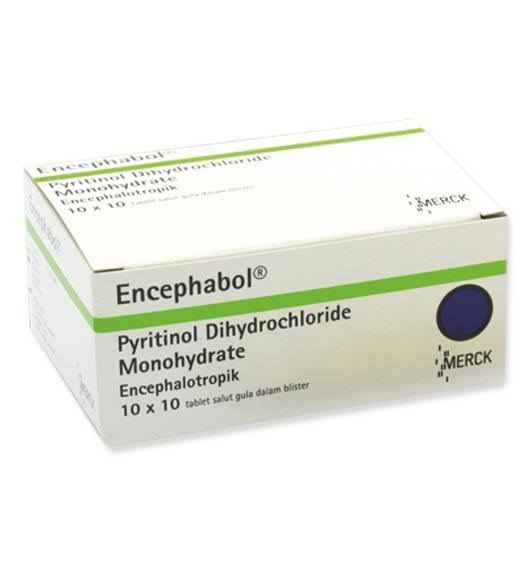
Description
Indications
- Cognitive Decline: Used in the treatment of cognitive disorders, particularly those associated with aging, such as dementia or Alzheimer’s disease.
- Memory Disorders: Sometimes prescribed to improve memory and learning abilities in both the elderly and younger patients.
- Brain Injury: May be used as part of a treatment regimen for brain injuries to improve cognitive function.
- Other Neurological Disorders: Can be prescribed for conditions where cognitive functions are impaired, such as after a stroke.
Dosages
- Adults: The usual dosage is 200 mg to 600 mg per day, divided into two or three doses. The dose may vary depending on the specific condition being treated and the patient’s response.
- Children: Dosages are typically lower and should be adjusted according to the child’s weight and the condition being treated. For example, a common dosage for children is 50 mg to 100 mg, taken two or three times daily.
Duration
- The duration of treatment can vary; long-term therapy might be required in chronic conditions, whereas shorter courses may be used for acute episodes.
Side Effects
Common side effects of Encephabol may include:
- Gastrointestinal Disturbances: Nausea, vomiting, diarrhea, or abdominal discomfort.
- Headache: Some patients may experience headaches, particularly at the start of therapy.
- Allergic Reactions: Rash, itching, or other signs of hypersensitivity.
- Sleep Disturbances
- Fatigue: Some patients may feel unusually tired or fatigued.
Less common but more serious side effects might include:
- Severe Skin Reactions: Rarely, severe allergic skin reactions can occur.
- Liver Enzyme Elevation: In rare cases, the drug may cause an increase in liver enzymes, indicating liver stress or damage.
- Neuropsychiatric Symptoms: Some patients might experience anxiety, irritability, or mood swings.
Precautions
- Allergy: Patients with a known allergy to Pyritinol or any component of the formulation should not use Encephabol.
- Liver Function: Regular monitoring of liver function is advised during long-term use.
- Pregnancy and Breastfeeding: The safety of Encephabol during pregnancy and breastfeeding has not been established, so it should be used with caution and only if clearly needed.
- Interactions with Other Drugs: Encephabol can interact with other medications, particularly those that affect the liver or central nervous system. Patients should inform their healthcare provider of all medications they are taking.
- Neurological Disorders: Caution is advised in patients with a history of epilepsy or other seizure disorders, as the drug could potentially lower the seizure threshold.




Reviews
There are no reviews yet.