



Description
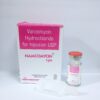
Vancomycin injection is a powerful antibiotic used to treat serious bacterial infections caused by gram-positive organisms, particularly when other antibiotics are ineffective or inappropriate. It belongs to a class of antibiotics called glycopeptides.
Common Uses:
Severe infections caused by methicillin-resistant Staphylococcus aureus (MRSA).
Infections caused by Enterococcus species, especially resistant strains (except Vancomycin-resistant Enterococcus, VRE).
Severe skin and soft tissue infections.
Bone and joint infections (e.g., osteomyelitis).
Endocarditis.
Pneumonia.
Sepsis.
Clostridium difficile-associated diarrhea (off-label) as an intravenous adjunct, though oral vancomycin is preferred.
Administration:
Route: Intravenous (IV). It is not absorbed orally for systemic infections, so injections are used for treating systemic conditions.
Dosage: Varies based on the patient’s weight, renal function, and severity of the infection. Serum levels (trough concentrations) are monitored to ensure therapeutic levels and avoid toxicity.
Duration: Depends on the type and severity of the infection.
Key Considerations:
1. Infusion-related reactions:
Red man syndrome: A reaction characterized by flushing, rash, and itching, usually due to rapid infusion. It is prevented by slowing the infusion rate.
Infuse over 1–2 hours to minimize risks.
2. Toxicity:
Nephrotoxicity: Monitor kidney function (e.g., serum creatinine).
Ototoxicity: Rare but possible; monitor for hearing loss.
3. Renal dosing:
Adjust dose in patients with renal impairment due to the drug’s elimination through the kidneys.
4. Monitoring:
Trough levels are typically measured before the 4th dose. Therapeutic range: 10–20 µg/mL (or higher for serious infections).
Side Effects:
Pain and irritation at the injection site.
Nausea or upset stomach.
Allergic reactions (rare but possible).
Changes in blood cell counts (e.g., neutropenia, thrombocytopenia in rare cases).
Drug Interactions:
Other nephrotoxic or ototoxic drugs (e.g., aminoglycosides, furosemide) increase the risk of toxicity.




Reviews
There are no reviews yet.