


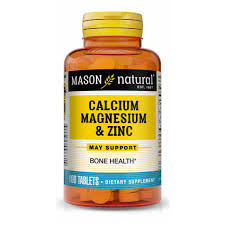
Description
Calcium, magnesium, and zinc are essential minerals that play important roles in the body. Here’s a brief overview of each:
1. Calcium:
Function: Essential for building and maintaining strong bones and teeth. It also plays a role in nerve transmission, muscle function, and blood clotting.
Sources: Dairy products (milk, yogurt, cheese), leafy green vegetables (kale, broccoli), and fortified foods.
Deficiency: Can lead to bone issues like osteoporosis, muscle cramps, and abnormal heart rhythms.
2. Magnesium:
Function: Involved in over 300 biochemical reactions in the body, including energy production, protein synthesis, muscle and nerve function, and blood glucose control.
Sources: Nuts (almonds, cashews), seeds, whole grains, leafy greens, and legumes.
Deficiency: May result in muscle cramps, mental disorders, fatigue, and high blood pressure.
3. Zinc:
Function: Supports immune function, wound healing, DNA synthesis, and protein production. Zinc also plays a key role in taste and smell.
Sources: Meat, shellfish, legumes, seeds, and nuts.
Deficiency: Can weaken immune function, delay wound healing, cause hair loss, and impair sense of taste or smell.
Combined Supplement Benefits:
Bone Health: Calcium and magnesium work together to maintain strong bones.
Immune Support: Zinc and magnesium support immune function.
Metabolic Support: Magnesium helps in energy production, while zinc supports metabolic processes.
Before starting any supplement, it’s advisable to consult with a healthcare professional, as excessive intake of these minerals can lead to adverse effects like digestive upset or imbalances in mineral absorption.



Reviews
There are no reviews yet.